


The global population of billionaires is expected to continue expanding rapidly over the next decade, with forecasts suggesting their number could approach 4,000 by 2031 as wealth creation accelerates across key sectors, particularly technology.
According to analysis by estate agency Knight Frank, there are currently 3,110 billionaires worldwide. The report projects this figure to rise by around 25% over the next five years, reaching approximately 3,915 by 2031.
The growth trend is not limited to the ultra-wealthy alone. The number of individuals with a net worth of at least USD 30 million has surged dramatically, rising from 162,191 in 2021 to more than 713,000 today, an increase of over 300% according to the same research.
Liam Bailey, head of research at Knight Frank, attributed the expansion of extreme wealth largely to developments in the technology sector, especially artificial intelligence, which has enabled faster and larger-scale wealth accumulation.
?The ability to scale a business has never been higher. That has fed into the ability to make big fortunes quickly, supercharged by tech and AI,? he said.
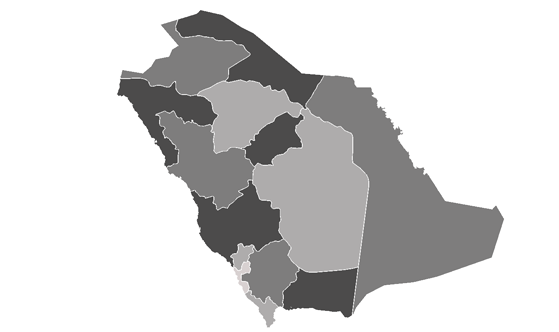
The report also highlights significant regional differences in billionaire growth. Saudi Arabia is expected to record the fastest increase, with the number of billionaires more than doubling from 23 in 2026 to 65 in 2031. Poland is forecast to see a similar surge, rising from 13 to 29, while Sweden is expected to grow by 81%, from 32 to 58.
At the same time, the widening gap between the world's richest and poorest continues to draw attention. According to the World Inequality Report, fewer than 60,000 individuals, representing just 0.001% of the global population, control around three times more wealth than the entire poorest half of humanity.
This concentration of wealth has intensified calls from campaigners for higher taxation on the ultra-rich, amid concerns that extreme wealth translates into growing political influence.
Charity Oxfam reported that last year saw a record number of new billionaires created, pushing the global total above 3,000 for the first time. It estimates that billionaires collectively hold around USD 18.3 trillion in wealth.
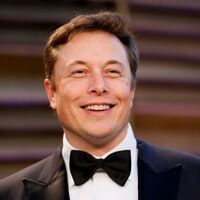
Among individuals, Elon Musk remains the world's richest person, with an estimated net worth of USD 785.5 billion. He is followed by Google co-founder Larry Page with USD 272.5 billion, and Amazon founder Jeff Bezos with USD 259 billion, according to Forbes rankings.
In the United Kingdom, the Sunday Times Rich List identified the Hinduja family as the wealthiest, with an estimated fortune of 35 billion. The list also recorded 156 UK-based billionaires in 2025, marking a decline from 165 the previous year, the largest annual drop in its 37-year history.
Wealth advisers note that changes in tax policy, including the abolition of the UK non-domiciled tax regime, have contributed to reports of wealthy individuals relocating abroad. Analysts suggest that fiscal shifts, regulatory pressures, and political instability are influencing where ultra-wealthy individuals choose to live and invest.
Rory Penn, who leads Knight Frank's private office division, said wealth creation is occurring in a more uncertain global environment, with fewer preferred destinations for the ultra-rich.
?The ultra-wealthy are becoming markedly more mobile, yet the list of markets where they feel genuinely comfortable investing or basing their families has narrowed,? he said.
Regionally, North America currently accounts for just under one-third of the world's billionaire population. However, projections suggest Asia-Pacific will overtake it by 2031, when it is expected to host 37.5% of all billionaires compared with 27.8% in North America.